
June 2026
When it comes to travelling in the car, one of the simplest ways to improve your child's protection is to keep them rear facing for as long as possible. This is known as Extended Rear Facing (ERF), and it's widely recognised as the safest way for infants and toddlers to travel.
What does Extended Rear Facing mean?
Extended Rear Facing is the practice of keeping your child in a rear-facing car seat beyond infancy and into the toddler years. Rather than facing the direction of travel, your child remains facing the rear of the vehicle, looking out the back window.
Many parents assume it's time to turn their child forward-facing around their first birthday, but modern car seats and child safety experts recommend rear-facing travel for 2 years at minimum, with best practice rear-facing until 4 years.
Why is rear facing safer?
Rear facing is widely recognised as the safest travel position for infants and toddlers because it better protects the head, neck, spine and pelvis during early development.
In a frontal collision, one of the most common and severe types of crashes, the forces are spread across the back of the car seat. Instead of the head and neck being thrown forward, the seat cradles and supports your child's body, distributing crash forces more evenly.
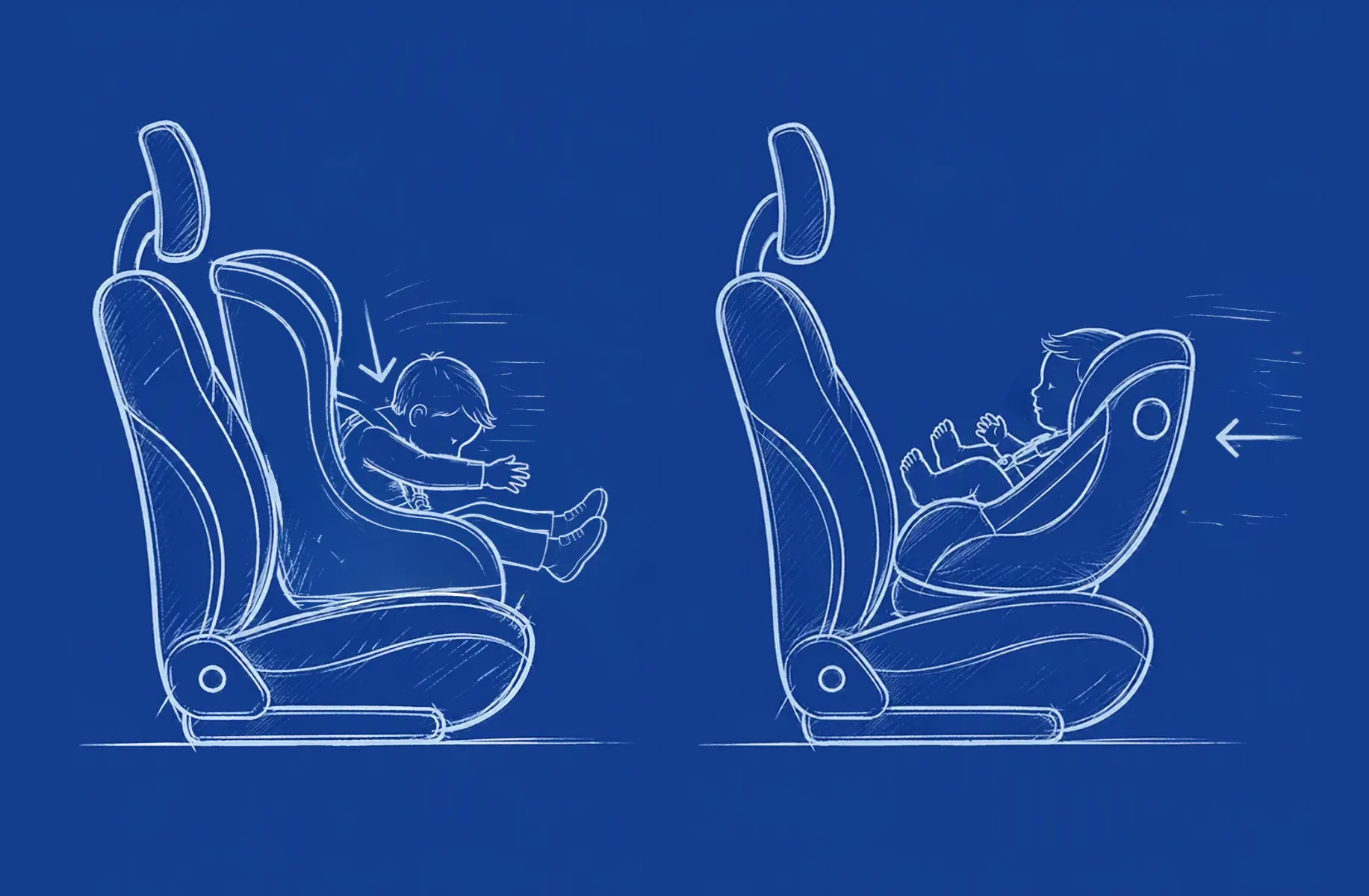
This significantly reduces the risk of serious injury, particularly while a child's bones, muscles and ligaments are still developing.
Young children have proportionally larger heads and developing neck muscles, making them more vulnerable to injury in a crash.
"But my child is curious and wants to face forward"
While many toddlers become curious about the world around them, wanting to face forward doesn't mean it's the safest option. Even if rear-facing isn’t your child’s preferred direction, they are physically safer rear-facing for much longer than parents realise.
And remember, even by rear facing, your child has access to great views with both side windows and the back!
"But their legs look uncomfortable and cramped"
This is one of the most common concerns parents have, a common misconception is that rear facing children are uncomfortable because their legs are bent or are resting up against the vehicle seat.
The reality is that this is completely normal and safe.
Children are naturally flexible and often sit in positions that would look uncomfortable to adults. In many cases, children find rear-facing more comfortable as their legs are supported rather than hanging freely over the edge of the seat.
While bent legs might look uncomfortable, it’s far more important to protect a child's head, neck and spine. Research shows that rear-facing children are not at greater risk of leg injuries in a crash, as their legs can move safely with the forces involved.
How long should my child stay rear- facing?
The safest approach is simple: keep your child rear-facing for as long as your car seat allows.
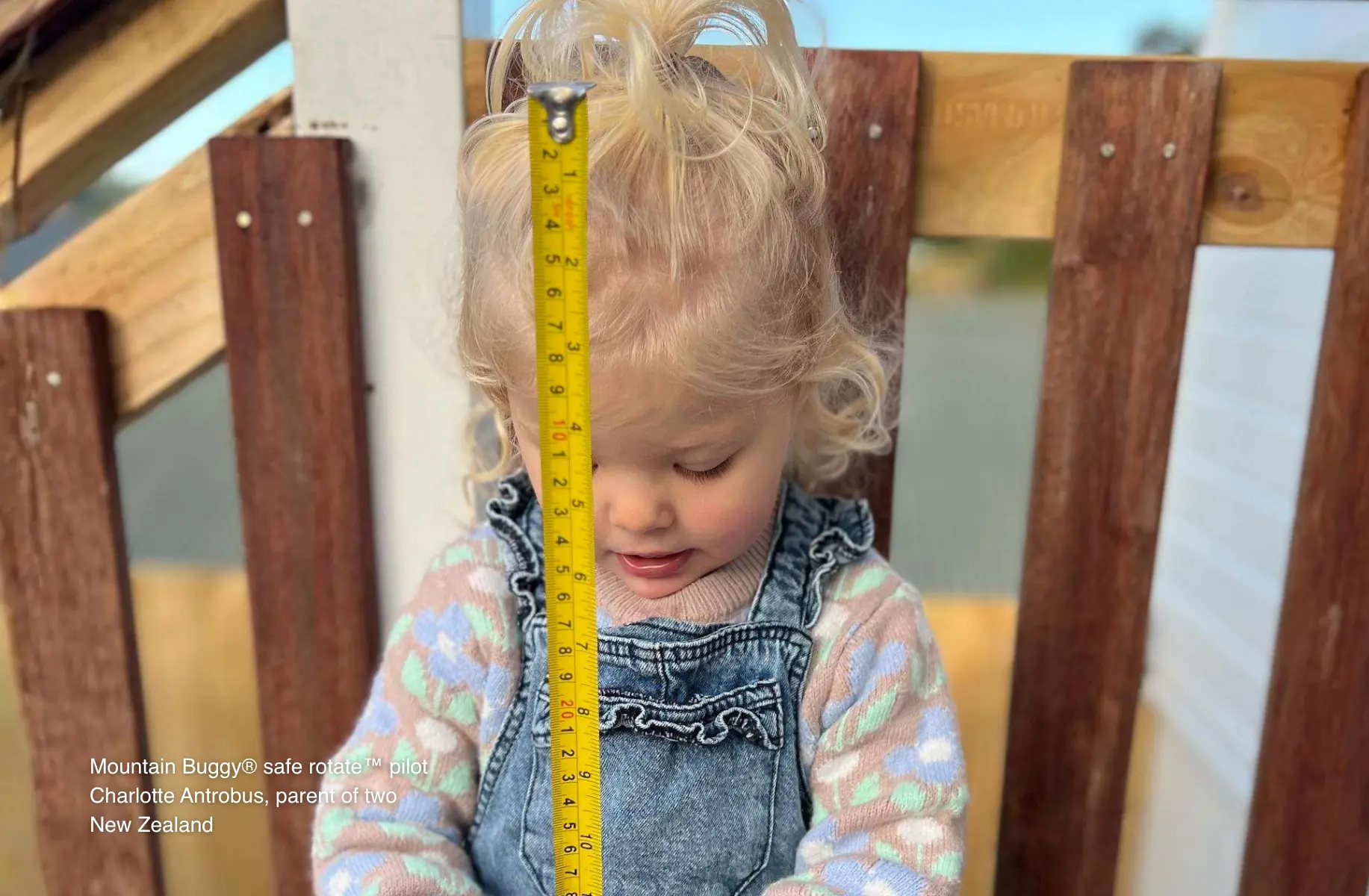
Always follow the height (R129) or weight limits outlined in your car seat manual, rather than switching based on age alone.
Different car seats have different rear-facing limits, which is why it's important to consider this when purchasing your seat. Both infant car seats and convertible car seats offer rear-facing travel, allowing your child to remain in the safest travel position throughout their early years.
Mountain Buggy® nest™ and protect™ infant car seats support Extended Rear Facing up to 87cm (approximately 20 months), while safe rotate™ convertible car seat supports rear-facing travel up to 105cm (approximately 4 years).
Safety that grows with your child
Every stage of childhood brings new adventures, but safety should always remain the priority. By keeping your child rear-facing for longer, you're giving them the highest level of protection during the years when they need it most.